The Ideal Islamic Religious Education Teacher from Generation Z’s Perspective: Teaching Quality in Digital Era at NW Suralaga Islamic Senior High School
DOI:
https://doi.org/10.61455/sujiem.v4i01.659Keywords:
digital era, generation z, islamic religious education teacher, student perceptions, teaching qualityAbstract
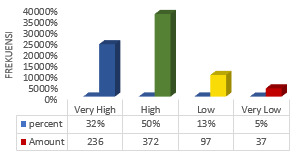
Objective: This study aims to examine Generation Z students’ perceptions of the ideal Islamic Religious Education (IRE) teacher and the teaching qualities required in the digital era. Theoretical framework: The study draws on pedagogical, personality, social, and professional competencies, complemented by digital literacy as an essential dimension of contemporary Islamic education. Literature review: Previous studies emphasize teacher competence and technology integration; however, the characteristics of ideal IRE teachers from Generation Z students’ perspectives require further investigation. Methods: This study employed a mixed-methods approach using an explanatory sequential design. Data were collected through questionnaires, interviews, observations, documentation, and focus group discussions. Quantitative data were analyzed using descriptive and inferential statistics, while qualitative data were examined through data reduction, data presentation, and conclusion drawing following Miles, Huberman, and Saldaña. Results: Students’ perceptions were predominantly high (50%; 372 responses), followed by very high (32%; 236), low (13%; 97), and very low (5%; 37). Qualitative findings indicate that ideal IRE teachers serve as role models, motivate learners, communicate effectively, understand students’ needs, facilitate engaging learning, and integrate digital technology into instruction. Implications: These findings provide guidance for teacher education, professional development, and instructional improvement by aligning IRE teachers’ competencies with Generation Z’s learning characteristics and needs. Novelty: This study formulates a comprehensive profile of the ideal IRE teacher from Generation Z’s perspective by integrating quantitative and qualitative evidence across pedagogical, personality, social, professional, and digital literacy competencies, offering context-specific insights for Islamic education in the digital era.
References
Muhammad Fajar, Bagus Jordan, Abdul Hadi Alghani, Aditya, and Puspika Sari, “Analisis Strategi Pembelajaran Pendidikan Agama Islam Berbasis Teknologi Digital pada Generasi Z,” QAZI J. Islam. Stud., vol. 2, no. 2, 2025, https://doi.org/10.61104/qz.v2i2.418.
R. Setyaningsih and Dkk, “Strategi Guru IRE Dalam Memanfaatkan Teknologi Dan Media Pembelajaran Untuk Generasi Z,” J. Pendidik. Agama Islam, vol. 4, no. 2, pp. 187–191, 2025, https://doi.org/10.52434/jIRE.v4i2.42994
Nor Liana, “Pendekatan Humanisme Dan KonstruktivismeUntuk Penguatan Karakter Islami Di Era Digital,” Al-Dirosah J. Pendidik. Agama Islam, vol. 1, no. 2, pp. 749–758, 2024, [Online]. Available: http://jurnal.iaidarussalam.ac.id/index.php/IRE
A. Sukmawati, A. K. Alviatin, and A. H. Mubarok, “Kesiapan Guru IRE Dalam Memanfaatkan ICT: Analisis Kompetensi, Tantangan dan Strategi Solutif di Era Digital,” J. Ilm. Profesi Pendidik., vol. 10, no. 3, pp. 2858–2868, 2025, https://doi.org/10.29303/jipp.v10i3.3545.
P. Nakula, “Media Pembelajaran Inovatif di Era Digital,” J. Teknol. dan Pendidik. Mod., vol. 9, no. 2, pp. 76–92, 2025, https://doi.org/10.23969/jp.v11i01.40408.
U. Hasanah and M. MISBAH, “Problematika Pembelajaran IRE Di Era Digital: Integrasi Motivasi, Inovasi Teknologi Dan Profesionalisme Guru,” Qalam J. Pendidik. Islam, vol. 6, no. 2, pp. 11–20, 2025, https://doi.org/10.57210/qalam.v6.i2.159.
D. Supriadi et al., “Inovasi Pembelajaran IRE Di Era Digital: Strategi Menumbuhkan Minat Belajar Gen-Z,” Tadbiruna, vol. 1, no. 2, pp. 319–334, 2022, https://doi.org/10.51192/jurnalmanajemenpendidikanislam.v4i2.1506.
Reksiana, A. Nata, D. Rosyada, M. D. H. Rahiem, and A. R. Rafikjon Ugli, “Digital Extension of Digital Literacy Competence for Islamic Religious Education Teachers in the Era of Digital Learning,” J. Pendidik. Agama Islam, vol. 21, no. 2, pp. 402–420, 2024, https://doi.org/10.14421/jIRE.v21i2.9719.
H. & S. Miles, Qualitative Data Analysis: A Methods Sourcebook, 4th ed., vol. 16, no. 2. United States of America: Sage Publications, Inc., 2015.
S. R. Laili, T. Supriyatno, and A. Gafur, “Development of Islamic Religious Education Teacher Competency and Character Through Blended Learning,” Nazhruna J. Pendidik. Islam, vol. 5, no. 2, pp. 864–875, 2022, https://doi.org/10.31538/nzh.v5i2.2359.
A. A. Rochim and Amal Khayati, “Role of Islamic Education Teachers in Shaping Students’ Religious Character in the Digital Era: A Case Study of SDN 1 Kondangsari, Cirebon,” HEUTAGOGIA J. Islam. Educ., vol. 3, no. 2, pp. 259–269, 2023, https://doi.org/10.14421/hjie.2023.32-10.
F. R. Sánchez-Altamirano and E. M. Rodríguez-Rodríguez, “Learning preferences in Generation Z college students,” Rev. Electron. Educ., vol. 29, no. 2, pp. 1–24, 2025, https://doi.org/10.15359/ree.29-2.19996.
D. Mintasih, S. Sukiman, and S. Purnama, “Integration of Digital Technology in Islamic Religious Education Learning: A Qualitative Study on Teachers’ Competence and Implementation Models in Secondary Schools,” J. Pendidik. Islam, vol. 13, no. 1, pp. 85–96, 2024, https://doi.org/10.14421/jpi.2024.131.85-96.
K. Aldrup, B. Carstensen, and U. Klusmann, “Is Empathy the Key to Effective Teaching? A Systematic Review of Its Association with Teacher-Student Interactions and Student Outcomes,” Educ. Psychol. Rev., vol. 34, no. 3, pp. 1177–1216, 2022, https://doi.org/10.1007/s10648-021-09649-y.
O. Johnston, H. Wildy, and J. Shand, “‘That teacher really likes me’ - Student-teacher interactions that initiate teacher expectation effects by developing caring relationships,” Learn. Instr., vol. 80, no. 101580, 2022, https://doi.org/10.1016/j.learninstruc.2022.101580.
A. Nasrullah, A. Salam DZ, A. Haedari, and A. Karim, “The Role of Islamic Religious Education Teachers in Character Education: A Qualitative Study at Mutiara Hikmah Vocational High School (SMK),” J. Pendidik. Islam, vol. 12, no. 1, pp. 145–154, 2023, https://doi.org/10.14421/jpi.2023.121.145-154.
R. S. Azizah and I. Anshori, “The Role of Islamic Religious Education Teachers in the Development of Religious Characters in Limited Face-to-Face Learning at Senior High School,” Adab. J. Pendidik. Islam, vol. 2, no. 2, 2022, https://doi.org/10.21070/adabiyah.v2i2.1654.
H. E. Mulyasa, Menjadi Guru Profesional: Menciptakan Pembelajaran Kreatif dan Menyenangkan. Bandung, Indonesia: Remaja Rosdakarya, 2006. https://doi.org/10.20961/kc.v9i3.53855.
D. I. Pertiwi and D. R. P. Siahaan, “Kompetensi Guru dan Kualitas Pembelajaran: Kajian Literatur Sistematis Periode 2021-2025,” J. Basicedu, vol. 10, no. 3, pp. 1052–1063, 2026, https://doi.org/10.31004/basicedu.v10i3.12247.
P. Mishra and M. J. Koehler, “Technological pedagogical content knowledge: A framework for teacher knowledge,” Teach. Coll. Rec., vol. 108, no. 6, pp. 1017–1054, 2006, https://doi.org/10.1111/j.1467-9620.2006.00684.x.
H. S. Zainiyati and N. Muna, “Penggunaan Mobile Learning dengan Live Streaming Facebook pada Mata Pelajaran Qur’an Hadith,” J-IRE J. Pendidik. Agama Islam, vol. 7, no. 2, 2021, https://doi.org/10.18860/jIRE.v7i2.11513.
A. an Arism, A. R. Getteng, and N. Nuryamin, “Pengaruh Kompetensi Kepribadian Guru Terhadap Motivasi Belajar Peserta Didik Mtsn 2 Bone Kabupaten Bone,” J. Diskurs. Islam, vol. 6, no. 3, pp. 418–443, 2018, https://doi.org/10.24252/jdi.v6i3.6544.
N. Ariff and N. K. Ismail, “Pemikiran Pendidikan Imam Al-Ghazali Dalam Ihya’ Ulum Al-Din: Satu Tinjauan Sistematik Terhadap Prinsip Sahsiah Dan Peranan Guru Dalam Pendidikan Awal Kanak-Kanak,” Int. J. Educ. Psychol. Couns., vol. 10, no. 61, p. 168, 2025, https://doi.org/10.35631/ijepc.1061013.
S. Handayani and D. Kurniawan, “Pengaruh Kompetensi Kepribadian Guru terhadap Motivasi Belajar Siswa,” Jurnal Pendidikan Dasar, vol. 9, no. 1. pp. 45–53, 2021, https://doi.org/10.31316/g.couns.v5i1.1180.
Dinda Salsabila, Nur Farida, and Rizka Sari, “Implementasi Teori Humanistik Carl Rogers Dalam Pembelajaran Berpusat Pada Peserta Didik (Student - Centered Learning),” AL-HIKMAH (Jurnal Pendidik. dan Pendidik. Agama Islam., vol. 8, no. 2, pp. 249–259, 2026, https://doi.org/10.36378/al-hikmah.v8i2.5479.
A. Kusnadi, “Peningkatan Kompetensi Pedagogik Guru Berbasis Information and Communication Technologies,” Thawalib J. Kependidikan Islam, vol. 5, no. 1, pp. 209–226, 2024, https://doi.org/10.54150/thawalib.v5i1.369.
A. Qurrata A’yun, F. Zuhro, and A. Madaniah, “Proses Komunikasi Antara Guru Dan Siswa Di SMA Gema 45 Surabaya,” J. Ilmu Komun., vol. 13, no. 1, pp. 84–102, 2023, https://doi.org/10.15642/jik.2023.14.1.84-102.
A. Amin, A. Alimni, D. A. Kurniawan, E. Triani, and S. E. Septi, “Interpersonal Communication Skills on Student Discipline: Analysis of the Effects of Islamic Religious Learning,” Lentera Pendidik. J. Ilmu Tarb. dan Kegur., vol. 26, no. 1, pp. 135–152, 2023, https://doi.org/10.24252/lp.2023v26n1i10.
N. Ramadhani and F. Faridah, “Interpersonal Communication of Islamic Religious Education Teachers in Improving Students’ Learning Ability,” Syiar J. Komun. dan Penyiaran Islam, vol. 5, no. 1, pp. 77–90, 2025, https://doi.org/10.54150/syiar.v5i1.660.
A. Dzulhijayani Ali, Z. Fakhruddin, and M. Tjalla, “Paraphrasing Techniques and Challenges in EFL Academic Writing: Evidence From Indonesian University Students,” Foster J. English Lang. Teach., vol. 7, no. 2, pp. 663–676, 2026, https://doi.org/10.24256/foster-jelt.v7i2.425.
R. Rizky, “Rekonstruksi Kompetensi Pedagogik Digital Guru IRE: Sintesis Kualitatif Model Technological Pedagogical Content Knowledge (TPACK) Dalam Konteks Islam,” Indones. J. Multidiscip. Sci., vol. 4, no. 1, pp. 55–63, 2026, https://doi.org/10.33151/ijomss.v4i1.879.
S. Rizal, N. Yakin, and S. Saparudin, “Implementasi TPACK Dalam Peningkatan Keaktifan Siswa Pada Pembelajaran IRE di SMKN 5 dan MAN 2 Mataram,” J. Ilm. Mandala Educ., vol. 9, no. 2, 2023, https://doi.org/10.58258/jime.v9i2.5049.
M. S. Ritonga, S. T. Sumanti, and N. Anas, “Analisis kemampuan guru pendidikan agama Islam (IRE) dalam mengimplementasikan technological pedagogical and content knowledge (TPACK) di sekolah dasar,” J. Educ. J. Pendidik. Indones., vol. 9, no. 2, p. 722, 2023, https://doi.org/10.29210/1202323203.
I. Iskandar and C. Riantoni, “Kesulitan Guru IRE Mengintegrasikan Pembelajaran Berbasis TPACK pada Masa dan pasca Pandemi Covid 19,” Edukatif J. Ilmu Pendidik., vol. 5, no. 1, pp. 533–542, 2023, https://doi.org/10.31004/edukatif.v5i1.4721.
R. A. Wahyudi, I. P. Leksono, and U. Rohman, “The SAMR model for the development of learning device innovations in the subject of applying electronic circuits,” J. Inov. dan Teknol. Pembelajaran, vol. 10, no. 3, pp. 234–247, 2025, https://doi.org/10.17977/um031v10i32023p234.
Z. Shaikh, “Integration of Digital Pedagogy and Development of Holistic Learning Ecosystem for Students: The Teachers’ Perspective,” Int. J. Educ. Reform, vol. 35, no. 1, pp. 275–298, 2026, https://doi.org/10.1177/10567879231193729.
Y. Mulyati, “Analisis Respon Pemanfaatan Teknologi, Informasi, Dan Komunikasi Pada Media Live Worksheet Terhadap Pelajaran IRE Di Sekolah,” Epistemic J. Ilm. Pendidik, vol. 2, no. 1, pp. 58–73, 2023, https://doi.org/10.70287/epistemic.v2i1.163.
H. Febriyani and D. Hidayati, “Urgensi Media Digital Dalam Proses Pembelajaran Bagi Guru Sekolah Dasar,” J. Pendidik. dan Konseling, vol. 5, no. 2, pp. 3910–3916, 2023, https://doi.org/10.31004/jpdk.v5i2.12815.
K. Wanda, I. Dahnial, and I. Pratiwi, “Transisi Modifikasi Kelas Teknologi Instruksional Virtual Menggunakan Model Samr Dan Tpack Untuk Meningkatkan Hasil Belajar Mahasiswa Pendidikan Guru Sekolah Dasar,” J. Rev. Pendidik. dan Pengajaran, vol. 6, no. 2, pp. 77–84, 2023, https://doi.org/10.31004/jrpp.v6i2.17661.
Ferdinan, A. Fattah, A. Nashir, S. Muthaharah, and M. Waeno, “Examining the enactment of digital literacy in Islamic education across two school contexts in Indonesia and Thailand,” Discov. Educ., vol. 5, no. 1, 2026, https://doi.org/10.1007/s44217-026-02044-1.
M. Erihadiana, A. R. Atmadja, O. Sobandi, and M. I. Al-Amin, “Innovative Technology-Driven Curriculum in IRE and Students' Critical Thinking Development,” APTISI Trans. Technopreneursh., vol. 8, no. 3, pp. 1056–1064, 2026, https://doi.org/10.34306/att.v8i3.647.