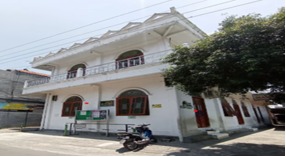
The Impact of Santri Participation in TPA Al-Fitroh Community Learning Programs: A Comparative Study of Ramadan and Non-Ramadan Periods
DOI:
https://doi.org/10.61455/wijce.v2i1.623Keywords:
santri participation, community engagement, tpa al-fitroh, ramadan, islamic educationAbstract
Objective: This community engagement study aims to analyze the impact of santri participation in the community learning programs of TPA Al-Fitroh, Pabelan, Sukoharjo, by comparing participation patterns during the Ramadan and non-Ramadan periods. The study evaluates how Ramadan influences religious engagement, social interaction, and the development of Islamic character among santri while identifying strategies to sustain participation throughout the year. Theoretical framework: The research is grounded in the theory of social participation and Islamic education, which emphasizes that active involvement in community-based religious activities strengthens character formation, social responsibility, and the internalization of Islamic values. Literature review: Previous studies have demonstrated that Ramadan enhances religious practices and spiritual motivation among Muslim communities. Research has also highlighted the important role of Taman Pendidikan Al-Qur'an (TPA) as a community institution that promotes Qur'anic literacy, moral education, and social cohesion. Method: This study employed a qualitative approach using a comparative case study design. Data were collected through in-depth interviews, participant observation, and documentation of learning activities conducted during Ramadan and non-Ramadan periods. The participants included santri, teachers, parents, and TPA administrators. Results: The findings reveal that santri participation increased substantially during Ramadan due to stronger religious motivation, a supportive spiritual atmosphere, intensive Qur'anic learning sessions, and attractive community-based religious programs. Increased parental support and community involvement further strengthened attendance and engagement. Nevertheless, participation declined after Ramadan because routine activities lacked the same level of motivation and structured programs, indicating the need for sustainable community learning initiatives. Implications: The study suggests that TPA administrators should design continuous mentoring programs, strengthen collaboration with parents and community leaders, and integrate motivational religious activities into regular learning schedules to maintain consistent participation beyond Ramadan. Novelty: The novelty of this study lies in its comparative examination of santri participation between Ramadan and non-Ramadan periods within a community engagement framework, demonstrating how seasonal religious enthusiasm can be transformed into sustainable educational participation through structured community learning strategies.