Delay in the Distribution of Productive Inheritance Assets: A Sharia-Based Analysis Through the Methodology of Taha Jabir Al-Alwani
DOI:
https://doi.org/10.61455/sicopus.v4i02.580Keywords:
postponement of the distribution of inheritance, productive assets, maqasid al-shari'ah, taha jabir al-alwani, islamic inheritance lawAbstract
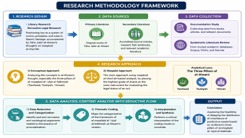
Objective: This study aims to analyze the validity of the postponement of inheritance distribution in productive assets using the perspective of maqāṣid al-syari'ah Taha Jabir al-Alwani. The focus is to balance the provisions of inherited fiqh with the need to maintain the family's economic sustainability. Theoretical framework: The research uses the contemporary maqāṣid al-shari'ah theory of Taha Jabir al-Alwani, which consists of three main pillars: al-Tauhid, al-Tazkiyah, and al-'Umran. These three pillars are the basis for assessing the benefits of postponing the distribution of inheritance. Literature review: A literature review discusses the differences between the classical fiqh of inheritance that encourages immediate division and the contemporary maqāṣid approach that takes into account modern socio-economic conditions. The literature also covers the concept of productive asset management in Islam. Method: The research uses normative qualitative methods with a conceptual and maqāṣid approach. The analysis was carried out through the method of al-jam'u bayna al-qirā'atain, which is to connect sharia texts with social reality. Results: The results of the study show that the postponement of inheritance distribution can be allowed if it meets the principles of justice (al-Tauhid), transparency and agreement (al-Tazkiyah), and is able to increase the economic benefits of assets (al-'Umran). If it causes conflict or loss, then the practice is not justified. Implications: This study provides guidelines for judges, mediators, and families in resolving disputes over the inheritance of productive assets. The results can be used as a basis for more benefit-oriented decision-making. Novelty: The novelty of the research lies in the use of maqāṣid al-shari'ah Taha Jabir al-Alwani to assess the delay in the distribution of inheritance of productive assets. This research expands the concept of ḥifẓ al-māl from simply maintaining wealth to productive and sustainable wealth management.
References
Maimanah, M. F. Al-Amruzy, S. Faridah, and Arni, “Delay in the Division of Inheritance: a Theoretical Review Within Legal System Framework in Indonesia,” Syariah J. Huk. dan Pemikir., vol. 24, no. 1, pp. 241–257, 2024, https://doi.org/10.18592/sjhp.v24i1.12916.
S. Syaikhu, M. F. Al Amruzi, M. Mujiburrahman, and N. Norwili, “Legal Harmonization in the Distribution of Inheritance in the Dayak Ngaju Community in Central Kalimantan, Indonesia,” Samarah, vol. 7, no. 1, pp. 195–215, 2023, https://doi.org/10.22373/sjhk.v7i1.12410.
M. A. Nasrul, Z. I. A. Manaf, S. Syafril, and M. Fathurrohman, “An Overview of the Inheritance Legal System in Malaysia and Indonesia: Issues Faced by Both Countries,” J. Shariah Law Res., vol. 6, no. 2, pp. 181–200, 2021, https://doi.org/10.22452/jslr.vol6no2.3.
E. Elfia, S. Surwati, and B. Bakhtiar, “The Struggle of Custom and Sharia: Classic Dilemma of Inheritance Settlement in Javanese and Minangkabau Ethnic Communities in Indonesia,” Al-Istinbath J. Huk. Islam, vol. 8, no. 1, May, pp. 75–94, 2023, https://doi.org/10.29240/jhi.v8i1.5480.
L. Dahliani, F. Ananda, and A. Yamamah, “Penundaan Pembagian Warisan Pada Masyarakat Muslim Di Kota Langsa,” TAHKIM, vol. 14, no. 1, pp. 34–58, 2018, https://doi.org/10.33477/thk.v14i1.573.
S. Susanto, H. Y. Rahman, and M. T. Al Abza, “Fenomena Penundaan Pembagian Harta Warisan di Kabupaten Merauke dalam Perspektif Syariah,” J. Huk. Kel. Islam El-Qisth, vol. 8, no. 01, pp. 12–25, 2025, https://doi.org/10.47759/5ky7cb57.
E. Setyawan, A. A. Yasin, and A. S. Himam, “Practice of Pre-Death Property Distribution among Muslim Communities in Cirebon from the Perspective of Islamic Law and Legal System,” Samarah J. Huk. Kel. Dan Huk. Islam, vol. 9, no. 3, 2025.
A. L. A. Al Obaidy, T. A. Ping, Y. Ganesan, and M. A. A. Alzaqeba, “Defining inheritance risk management as a new concept towards sustainability of family businesses,” J. Muamalat Islam. Financ. Res., pp. 139–161, 2024, https://doi.org/10.33102/jmifr.565.
Z. Muttaqin, “Hukum Penundaan Pembagian Harta Warisan Produktif Perspektif Al-Mashlahah Al-Mursalah,” At-Tafkir, vol. 16, no. 2, pp. 157–176, 2023, https://doi.org/10.32505/at.v16i2.5645.
R. N. Aniroh, K. Nasution, and A. Sodiqin, “The Bilateral Inheritance System in Islamic Family Law: Fairness, Equality, and Mutual Exchange Perspectives,” Samarah, vol. 8, no. 2, pp. 891–911, 2024, https://doi.org/10.22373/sjhk.v8i2.17630.
I. Yanti, Y. Yuliatin, S. Mahmudah, M. Mahluddin, and Y. Galuh Larasati, “Negotiating Sharīʿah and Customary Law: Legal Pluralism in Familial Relationships among the Suku Anak Dalam in Jambi,” J. Islam. Law, vol. 6, no. 2, pp. 177–205, 2025, https://doi.org/10.24260/jil.v6i2.3311.
M. Abduh, “Analisis Hukum Terhadap Tradisi Penundaan Pembagian Harta Warisan Kepada Ahli Warisnya (Studi Kasus Di Kelurahan Purbaratu Kecamatan Purbaratu Kota Tasikmalaya),” Khuluqiyya J. Kaji. Huk. Dan Stud. Islam, 2021.
Y. Fitriyati, D. Ibrahim, F. Muntaqo, and K. N. S. Hasan, “Reconsidering Inheritance Equality: Gender Justice in Religious Court Decisions through the Lens of Maqashid Al-Shariah,” Nurani, vol. 25, no. 1, pp. 122–140, 2025, https://doi.org/10.19109/nurani.v25i1.27133.
P. D. Liman and A. Rifai, “Analysis of the Legal Basis of Marriage Agreements and Their Implications for the Position of Inheritance Property,” J. Huk. Unissula, vol. 40, no. 1, pp. 141–155, 2024, https://doi.org/10.26532/jh.v40i1.39426.
M. Djawas, K. Hasballah, S. Devi, M. A. Kadir, and Y. Abda, “The Construction of Islamic Inheritance Law: A Comparative Study of the Islamic Jurisprudence and the Compilation of Islamic Law,” Juris J. Ilm. Syariah, vol. 21, no. 2, pp. 207–219, 2022, https://doi.org/10.31958/juris.v21i2.7495.
E. Faridha, I. G. A. Wiranata, and N. Rodliyah, “Analysis of Inheritance Distribution Among Minang Community Against High Heritage and Low Heritage,” Indones. Priv. Law Rev., vol. 5, no. 2, pp. 79–88, 2024, https://doi.org/10.25041/iplr.v5i2.3463.
A. Rajafi, “Kewarisan Produktif (Meramu Makna Adil Melalui Waris Produktif),” Al-Risalah Forum Kaji. Huk. Dan Sos. Kemasyarakatan, vol. 16, no. 2, pp. 303–314, 2016, https://doi.org/10.30631/al-risalah.v16i02.313.
Asni, Tarmizi, Kiljamilawati, Patimah, Kartini, and M. Y. Ahmad, “Gender Justice in Tudang Sipulung: An Ecofeminist– Maqāṣid al-Sharīʿah Reading of Inheritance in Bugis Bone, Indonesia,” J. Ilm. Al-Syir’ah, vol. 23, no. 2, pp. 297–314, 2025, https://doi.org/10.30984/jis.v23i2.3572.
C. Najidah, “Konsep MᾹqᾹṣid Al-SyᾹrīah Menurut ṬᾹhᾹ JᾹbir Al-‘AlwᾹnī,” Al-Ahwal J. Huk. Kel. Islam, vol. 1, no. 9, pp. 1–11, 2017, https://doi.org/10.14421/ahwal.2016.09101.
Syaikhu, F. Hamdi, S. Ahmad, R. N. Ihsan, and M. Z. Husain, “The Maqashid Sharia Construction on Inheritance in Dayak Ngaju Customs Within the Tumbang Anoi Agreement,” El-Mashlahah, vol. 13, no. 2, pp. 181–202, 2023, https://doi.org/10.23971/el-mashlahah.v13i2.7375.
A. Rahman, “Analisis Keadilan Dalam Pembagian Waris Menurut Surah An-Nisa Ayat 11 Ditinjau Dari Maqashid Syariah,” Sinergi J. Ilm. Multidisiplin, vol. 1, no. 2, pp. 945–968, 2025.
S. Wahyuni, P. A. S. Siregar, and Rahmatullah, “Neglecting Islamic Law in the Distribution of Inheritance in the Sasak Muslim Society: A Study of Legal Pluralism,” Al-Manahij J. Kaji. Huk. Islam, vol. 20, no. 1, pp. 65–83, 2026, https://doi.org/10.24090/mnh.v20i1.14987.
A. Abubakar, G. Achyar, H. Khatimah, and S. A. A. Samad, “The Postponement of the Implementation of Inheritance Distribution in The Seunuddon Community, North Aceh In The Lens Of ‘Urf Theory and Legal Pluralism,” El-Usrah J. Huk. Kel., vol. 6, no. 2, pp. 411–429, 2023, https://doi.org/10.22373/ujhk.v6i2.10207.
H. Sholihah, N. Widiawati, and M. K. N. B. H. Awang Damit, “Reinterpretation of Justice in Islamic Inheritance Rights Based on Gender,” Al-’Adalah, vol. 21, no. 1, pp. 101–124, 2024, https://doi.org/10.24042/adalah.v21i1.21256.
Yusmita and A. A. Usmani, “Substitute Heirs: an Overview From Perception and Role of Ustad in Bengkulu, Indonesia,” J. Ilm. Mizani, vol. 10, no. 1, pp. 136–146, 2023, https://doi.org/10.29300/mzn.v10i1.2949.
I. Ilyas, F. A. Rani, S. Bahri, and S. Sufyan, “The Accommodation of Customary Law to Islamic Law: Distribution of Inheritance in Aceh from a Pluralism Perspective,” Samarah, vol. 7, no. 2, pp. 897–919, 2023, https://doi.org/10.22373/sjhk.v7i2.15650.
P. D. Liman and A. Rifai, “Legal Status of Children Out of Wedlock According To the Decision of the Constitutional Court in Inheritance of the Burgerlijk Wetboek (Bw) System,” J. Law Sustain. Dev., vol. 11, no. 3, 2023, https://doi.org/10.55908/sdgs.v11i3.577.
B. H. Zuhrah, I Gusti Ayu Ketut Rahmi Handayani, “Legislative Legal Politics of Inheritance Law in Indonesia,” Civ. Law, Sociol. Law, vol. 3, no. 6, pp. 910–916, 2024, https://doi.org/10.62754/joe.v3i6.4059.
M. Syafi’i, Abdullah, Muslihun, Mutawali, and H. Jamaludin, “Peace Agreement on Maslahah in Distribution of Inheritance in Sasak Tribe’s Muslim Community,” J. Huk. Islam, vol. 23, no. 1, pp. 73–104, 2025, https://doi.org/10.28918/jhi.v23i1.03.
A. Q. Zaelani, Faisal, M. S. Fajar, and A. Hanif, “An Implementation of the Joint Inheritance Division of Ethnic Groups in Lampung, Indonesia,” Samarah, vol. 7, no. 3, pp. 1373–1396, 2023, https://doi.org/10.22373/sjhk.v7i3.9125.
A. H. Bello, “Islamic Law of Inheritance among the Yoruba of Southwest Nigeria: A Case Study of Dar ul-Qadha (Arbitration Panel),” J. Islam. Law, vol. 5, no. 1, pp. 44–61, 2024, https://doi.org/10.24260/jil.v5i1.2058.
E. E. Yakar and S. Yakar, “The Critical Analysis of Taha Jabir al-Alwani’s Concept of Fiqh al-Aqalliyyāt,” Hitit Theol. J., vol. 20, no. 1, pp. 377–404, 2021, https://doi.org/10.14395/hid.865002.
M. R. Ghazali, “Adab Perbezaan Pendapat dalam Islam Menurut Taha Jabir Al-Alwani (1935-2016),” J. Fatwa Manag. Res., vol. 9, no. 1, pp. 39–59, 2018, https://doi.org/10.33102/jfatwa.vol9no1.38.
I. Family, “In Celebration of the Life of Shaykh Taha Jabir al-’Alwani,” Am. J. Islam Soc., vol. 33, no. 2, pp. xi–xvi, 2016, https://doi.org/10.35632/ajis.v33i2.905.
W. Ningsih, “Implementasi ijtihad dan taqlid di era kontemporer,” J. Asy-Syukriyyah, vol. 24, no. 2, pp. 152–171, 2023, https://doi.org/10.36769/asy.v24i2.406.
Yusdani, “Ijtihad Kemanusiaan dalam Dialektika Ortodoksi dan Ortopraksi Hukum Islam,” Diandra Creat. Yogyakarta, 2023.
M. M. S. Suyyirah, Maysurah, “Dinamika Ijtihad Dan Bermadzhab Dalam Islam Dalam Perspektif Integrasi Ilmu Agama, Sosial, Dan Hukum,” J. CERDAS Huk., vol. 3, no. 2, pp. 231–258, 2025, https://doi.org/10.51178/invention.v6i2.2591.
Z. Hasballah Thaib, “The Sovereignty Of The Quran According To Taha Jabir Al-Alwani: An Analytical Study,” AL-MUFIDA J. Ilmu-Ilmu Keislam, vol. 10, no. 1, pp. 110–122, 2025, https://doi.org/10.46576/almufida.v10i1.8031.
E. Kepplinger, “The Maqāṣid as a Means for a Contemporary, Ethically Based Muslim Thought: A Comparison of the Views of Ṭāhā ʿAbd al-Raḥmān and Ṭaha Jābir al-ʿAlwānī,” Religions, vol. 16, no. 8, p. 1080, 2025, https://doi.org/10.3390/rel16081080.
W. N. I. Wildah, “Maqāṣid al-Qurʾān Perspektif Ṭāhā Jābir al-ʿAlwānī dan Implikasinya bagi Kajian Tafsīr Maqāṣidī di Indonesia,” Nun J. Stud. Alquran dan Tafsir di Nusant., vol. 9, no. 1, pp. 73–96, 2023.
H. Zulfikar, “Analisis Maqâshid Al-Qur’ân pada Dalil-Dalil Al-Qur’an Fatwa MUI Sulawesi Selatan No. 02 Tahun 2022 tentang Uang Panai’,” Universitas PTIQ Jakarta, 2025, https://doi.org/10.47435/al-mubarak.v10i2.4285.
A. Q. Z. Sarah Asshofa, “Dinamika Kekuasaan Dalam Pembagian Harta Waris Produktif Perspektif Hukum Islam,” At-Tasyrih J. Pendidik. Dan Huk. Islam, vol. 12, no. 1, pp. 351–358, 2026.
A. Y. R. Muhamad Afif Sholahudin, “Landasan Teoritis dan Filosofis Motivasi Ekonomi terhadap Tujuan Sosial dalam Sistem Ekonomi Syariah,” Equal. J. Islam. Law, vol. 4, no. 1, pp. 147–164, 2026, https://doi.org/10.15575/ejil.v4i1.2104.