Strengthening the Islamic Economy Halal Value Chain: Sharia Diversification Strategy in an Uncertain Global Market Era
DOI:
https://doi.org/10.61455/sicopus.v4i01.460Keywords:
halal value chain, sharia diversification, islamic economy, economic resilience, halal industryAbstract
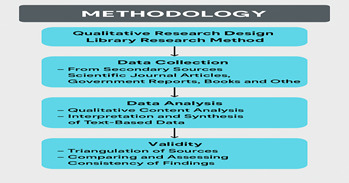
Objective: This study aims to analyze the role of Halal Value Chain (HVC) as a sharia diversification strategy in strengthening Indonesia's Islamic economic resilience amid global market uncertainty. Theoretical Framework: This research refers to economic theories related to sharia economics, sustainable development, and value chain analysis. This study examines how the integration of Halal sectors, such as food and beverages, Muslim fashion, halal tourism, and Islamic finance, can be a strategy for economic diversification and economic resilience. Literature Review: A literature review shows the vulnerability of conventional economic systems in the face of global geopolitical conflicts, climate change, and supply chain disruptions. This shows that an Islamic economy with the principles of justice, sustainability, and balance offers a relevant alternative. Previous research has identified the potential of HVC in promoting economic stability and inclusivity in Muslim-majority countries. Methods: This study uses a qualitative approach with a literature study method, which analyzes secondary data from scientific journals, official reports, and publications related to the halal economy in Indonesia. The data is analyzed to understand the application and impact of HVC on Indonesia's economic resilience. Results: This study shows that the implementation of HVC can be the main pillar in the diversification of the sharia economy. By integrating the halal sector, HVC contributes to the creation of new jobs, strengthens national economic resilience, and makes Indonesia the center of the global halal industry. These findings show that HVC can expand the Islamic economic base and support the growth of halal MSMEs. Implications: Strengthening HVC is essential to realize an inclusive, equitable, and sustainable Islamic economic system. This research provides insights for policymakers to strengthen the halal economy, which in turn can strengthen national economic resilience, create more jobs, and increase global competitiveness. Novelty: This research is one of the first to examine the strategic role of Halal Value Chain in the context of Indonesia's economic resilience, as well as provide a new perspective on the integration of Islamic economic principles with global market dynamics.
References
Ahmad Selanorwanda, Stepanus Segah Saha, Benius, Rini Oktavia, Ahmad Selanorwanda, Stepanus Segah Saha, Benius, CHRP Rini Oktavia, Daduk Adriyanto, “Strategi Mencapai Pertumbuhan Ekonomi Catch-Up Growth di Tengah Ketidakpastian Global,” no. September, 2025.
F. L. N. Yoga Permana, “Konsep Keadilan Dalam Perspektif Ekonomi Islam,” J. Ekon. Syariah Darussalam, vol. 4, no. 1, pp. 9–15, 2024.
F. Nasar, “Kontribusi Industri Halal terhadap Pertumbuhan Ekonomi,” 2025.
I. Qizam, I. Berakon, and H. Ali, “The role of halal value chain, Sharia financial inclusion, and digital economy in socio-economic transformation: a study of Islamic boarding schools in Indonesia,” J. Islam. Mark, vol. 16, no. 3, pp. 810–840, 2025, https://doi.org/10.1108/JIMA-03-2024-0108.
B. Indonesia, “Sektor Rantai Nilai Halal Pertahankan Pertumbuhan Positif, Dukung Pertumbuhan Ekonomi Nasional Siaran Pers,” 2024.
M. Hasanah, Istikomah, and Muhammad Syafii, “Implementasi Halal Value Chain Dalam Mewujudkan Ekosistem Halal pada Produk Unggulan UD Mitra Jamur Jember,” At-Tasharruf “Jurnal Kaji. Ekon. dan Bisnis Syariah,” vol. 5, no. 2, pp. 98–107, 2023, https://doi.org/10.32528/at.v5i2.1131.
M. Rafiuddin, E. Setyo Wibowo, and A. Fajar, “Masa Depan Ekonomi Syariah di Indonesia: Sebuah Analisis Kritis Tantangan dan Solusinya,” Al-Musyarakah J. Ekon. Islam, vol. 4, no. 1, pp. 29–44, 2024, https://doi.org/10.71247/rmryvt50.
W. Sardjono, A. L. A. Suyoso, and E. Lusia, “Sentiment Analysis of the State Global Islamic Economy on Twitter With Support Vector Machine Rapid Miner,” J. Theor. Appl. Inf. Technol., vol. 103, no. 1, pp. 303–311, 2025, https://www.scopus.com/inward/record.uri?eid=2-s2.0-85216310851&partnerID=40&md5=98d8e9b1adb3a84c10930d2df297ec71
M. Sahib and N. Ifna, “Urgensi Penerapan Prinsip Halal dan Thayyib dalam Kegiatan Konsumsi,” POINT J. Ekon. dan Manaj., vol. 6, no. 1, pp. 53–64, 2024, https://doi.org/10.46918/point.v6i1.2256.
Sochimin, Alfalisyado, H. Muflihin, and I. N. Fatchan, “Halal Value Chain Model in Halal Ecosystem of Malaysia,” J. Distrib. Sci., vol. 23, no. 5, pp. 97–112, 2025, https://doi.org/10.15722/jds.23.05.202505.97.
Mustakim, “Dasar Hukum dan Filosofi Distribusi dalam Ekonomi Islam,” Al-Mizan J. Ekon. Syariah, vol. 2, no. 1, pp. 68–87, 2019.
Y. Hidayat, A. Machmud, S. Zulhuda, and S. Suartini, “Legal aspects and government policy in increasing the role of MSMEs in the Halal ecosystem,” F1000Research, vol. 13, 2025, https://doi.org/10.12688/f1000research.148322.4.
F. H. Aziz, “Peran Halal Value Chain dalam Penguatan Ekosistem Industri Halal di Indonesia: Pendekatan Strategis,” At-Tijary J. Ekon. dan Bisnis Islam, vol. 2, no. 1, pp. 10–30, 2025.
A. Syafruddin, N. T. Putri, R. R. Putri, and R. P. Lita, “Proposed Framework for Halal Value Chain Analysis in Batik Industry,” J. Appl. Eng. Technol. Sci., vol. 6, no. 1, pp. 429–443, 2024, https://doi.org/10.37385/jaets.v6i1.5238.
N. L. Abidah and A. Fageh, “Resiliensi Ekonomi Syariah di Indonesia dalam Menggagas Sistem Tangguh di Masa Depan,” el-Jizya J. Ekon. Islam, vol. 13, no. 1, pp. 151–168, 2025, https://doi.org/10.24090/ej.v13i1.13741.
B. Harsanto, M. Pradana, E. A. Firmansyah, A. Apriliadi, and J. Ifghaniyafi Farras, “Sustainable Halal Value Chain performance for MSMEs: the roles of digital technology, R&D, financing, and regulation as antecedents,” Cogent Bus. Manag., vol. 11, no. 1, 2024, https://doi.org/10.1080/23311975.2024.2397071.
M. R. Alisa Qotrunada, Lucky Firmansyah, Rama Rama, Muhammad Rizky Al Asqolani, “Perekonomian Negara-Negara Muslim: Tantangan, Peluang, dan Strategi Pembangunan Berkelanjutan Alisa,” JIMU J. Ilm. Multi Disiplin, vol. 03, no. 02, pp. 1276–1288, 2025.
W. S. Hasibuan and I. Lubis, “Halal value chain integration in food court establishment through Cash Waqf Linked Sukuk: evidence from Indonesia,” Cogent Bus. Manag., vol. 11, no. 1, 2024, https://doi.org/10.1080/23311975.2024.2385075.
M. N. Adlini, A. H. Dinda, S. Yulinda, O. Chotimah, and S. J. Merliyana, “Metode Penelitian Kualitatif Studi Pustaka,” Edumaspul J. Pendidik., vol. 6, no. 1, pp. 974–980, 2022, https://doi.org/10.33487/edumaspul.v6i1.3394.
GoodStart, Nasional Kesadaran Meningkat, 84% Warga Indonesia Sudah Gunakan Produk Eco-Friendly. goodstart.id, 2024.
A. Charina and D. Charisma, “The Effectiveness of the Implementation of The Halal Value Chain (HVC),” Ecosyst. Halal Food Beverage Ind. Indones. Mimb. Agribisnis J. Pemikir. Masy. Ilm. Berwawasan Agribisnis, vol. 9, no. 2, pp. 1858–1878, 2023, https://doi.org/10.25157/ma.v9i2.10135.
A. S. Rusydiana, M. I. Irfany, A. As-Salafiyah, and M. Tieman, “Halal supply chain: a bibliometric analysis,” J. Islam. Mark, vol. 14, no. 12, pp. 3009–3032, 2023, https://doi.org/10.1108/JIMA-01-2022-0009.
B. Indonesia, “Sektor Halal Value Chain Tumbuh Positif, Dukung Pertumbuhan Ekonomi Nasional,” 2024.
Fakhruddin and H. Hidayat, “Moderation in dsn-mui fatwas: Achieving justice and balance in the sharia economic system,” Jurisdictie J. Huk. Dan Syariah, vol. 15, no. 2, pp. 477–498, 2024, https://doi.org/10.18860/j.v15i2.26883.
A. Y. Anshori and L. T. Abdurrahman, “Constitutional Contestation of the Islamic State Concept in the Indonesian Parliament 1956-1959,” Jure J. Huk. Dan Syar’iah, vol. 16, no. 2, pp. 278–316, 2024, https://doi.org/10.18860/j-fsh.v16i2.29572.
L. Z. Nasution, “Penguatan Industri Halal bagi Daya Saing Wilayah: Tantangan dan Agenda Kebijakan,” J. Reg. Econ. Indones., vol. 13, no. 1, pp. 33–57, 2020, https://doi.org/10.35880/inspirasi.v13i1.1979.
Riskia Putri, “Tantangan Sertifikasi Halal pada Pelaku Usaha Mikro Kecil dan Menengah (UMKM) Produk Pangan di Kabupaten Pamekasan,” Assyarikah J. Islam. Econ. Bus., vol. 1, no. 5, pp. 222–242, 2024, https://doi.org/10.28944/assyarikah.v5i2.1911.
Hasnil Hasyim, “Peluang Dan Tantangan Industri Halal di Indonesia,” J. Ekon. dan Bisnis Islam, vol. 7, no. 02, pp. 665–688, 2023, https://doi.org/10.30868/ad.v7i02.4918.
K. Aqbar, “Strategi Terpadu Penguatan Industri Makanan Halal di Indonesia : Daya Saing, Keberlanjutan, dan Penetrasi Pasar Global Integrated Strategy for Strengthening the Halal Food Industry in Indonesia : Competitiveness, Sustainability and Global Market Penetr,” Tijarah, vol. 2, no. 2, pp. 105–118, 2025.
P. S. Muttaqin, E. B. Setyawan, and N. Novitasari, “Factors Influencing Readiness towards Halal Logistics among Food and Beverages Industry in the Era of E-Commerce in Indonesia,” Int. J. Informatics Vis., vol. 7, no. 3, pp. 781–787, 2023, https://doi.org/10.30630/joiv.7.3.2055.
L. N. Fadhilah and Syamsuri, “Depicting Halal Value Chain Within Gontor Alumni Pesantren Forum (Fpag),” Miqot J. Ilmu-ilmu Keislam, vol. 46, no. 2, pp. 162–185, 2022, https://doi.org/10.30821/miqot.v46i2.980.
P. T. Cahyani, C. Shaleh, and F. A. Rasyid, “Kontribusi Politik Ekonomi Pertanian dalam Penyediaan Bahan Baku Halal di Indonesia,” Al-Muzdahir J. Ekon. Syariah, vol. 7, no. 1, pp. 111–125, 2025, https://doi.org/10.55352/ekis.v7i1.1497.
A. A. Muttaqin, M. A. Samsudin, A. D. Salleh, and A. A. Ahmad, “The Relationship of Disaster to the Islamic Economic System: An Analysis on the Aspect of Maqāsid Shari‘āh Framework,” Samarah, vol. 7, no. 1, pp. 216–238, 2023, https://doi.org/10.22373/sjhk.v7i1.16014.
R. D. Muhammad Zamzami, Khairul Amri, “Peran Teknologi Blokchain Dalam Meningkatkan Transparansi Dan Kepastian Informasi Pada Sertifikasi Halal Serta Dampaknya Pada Kepercayaan Konsumen,” no. September, 2025, https://doi.org/10.35586/jhs.v4i1.9518.1.
M. S. Antonio, A. S. Rusydiana, N. Laila, Y. R. Hidayat, and L. Marlina, “Halal Value Chain: A Bibliometric Review Using R,” Libr. Philos. Pract., vol. 2020, pp. 1–25, 2020, https://www.scopus.com/inward/record.uri?eid=2-s2.0-85115660888&partnerID=40&md5=96db3b70491513c3f47f798e54f89faa
M. K. Shahijan, C. N. Preece, S. Rezaei, and W. K. W. Ismail, “Examining retailers’ behaviour in managing critical points in Halal meat handling: A PLS analysis,” J. Islam. Mark, vol. 5, no. 3, pp. 446–472, 2014, https://doi.org/10.1108/JIMA-10-2013-0070.
S. Sudarmi, M. Lutfi, S. Siradjuddin, Agus Syam, and Hasisa Haruna, “Membuka Gerbang Emas: Potensi Besar Pembiayaan Syariah Dalam Pengembangan Industri Halal Di Indonesia,” PESHUM J. Pendidikan, Sos. Dan Hum., vol. 4, no. 3, pp. 3649–3659, 2025, https://doi.org/10.56799/peshum.v4i3.7473.
K. O. Paramole and M. O. Sanni, “Islamic Legislation on Wealth Acquisition: A Critical Examination of Crypto-currency,” Millah J. Relig. Stud., vol. 21, no. 3, pp. 771–796, 2022, https://doi.org/10.20885/millah.vol21.iss3.art6.
M. Tieman, “Halal clusters,” J. Islam. Mark, vol. 6, no. 1, pp. 2–21, 2015, https://doi.org/10.1108/JIMA-05-2014-0034.
M. L. Muhammad Affandi AR, Nasrullah Bin Sapa, “Pemikiran Ekonomi Islam Kontemporer Menuju Sertifikasi Halal Berbasis Kearifan Lokal,” vol. 3, no. 1, pp. 260–271, 2025.
H. N. Lita, “The Implementation of Waqf to Actualize Economic Justice Based on Islamic Law; Implementasi Wakaf dalam Mewujudkan Keadilan Ekonomi Menurut Hukum Islam,” Padjadjaran J. Ilmu Huk., vol. 7, no. 1, pp. 1–18, 2020, https://doi.org/10.22304/pjih.v7n1.a1.