Comparative Analysis of Textual (Nashiyah) and Contextual (Siyaqiyah) Approaches in Islamic Education
DOI:
https://doi.org/10.61455/sicopus.v3i03.400Keywords:
islamic education, textual approach, contextual approach, religious understanding, interpretation of the qur'an and hadithAbstract
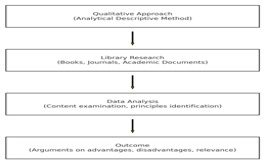
Objective: This study aims to compare textual (nashiyah) and contextual (siyaqiyah) approaches in Islamic education, both in terms of basic principles, methods of application, and their implications on the development of students' values and character. Theoretical framework: This study is based on the theoretical framework of Islamic interpretation, which distinguishes between text-based approaches (literal texts) and context-based approaches. Leading figures such as Azyumardi Azra, Fazlur Rahman (with the theory of double movement), and Amina Wadud provide an important foundation in understanding both approaches in the context of education and social religion. Literature review: Previous studies have shown that the textual approach emphasizes the literal and normative meanings of the Qur'an and Hadith, as affirmed by classical scholars such as Ibn Taymiyyah and Al-Ghazali. Meanwhile, the contextual approach considers the social, cultural, and historical background of the revelation of the text, as developed by Fazlur Rahman and Amina Wadud. Methods: This study uses a qualitative approach with an analytical descriptive method. Data were collected through a literature study that involved the analysis of various scientific literature, books, and articles relevant to the theme of textual and contextual approaches in Islamic education. The analysis is carried out systematically to identify the advantages, disadvantages, similarities, and differences between the two approaches. Results: The results of the study show that the textual approach is effective in maintaining the purity of Islamic teachings and providing legal certainty, but it is less adaptive to social changes. In contrast, contextual approaches are more flexible in dealing with the dynamics of the times and relevant to contemporary issues, but are prone to interpretations that deviate from the literal meaning. Both approaches have their respective relevance and effectiveness, and complement each other in Islamic educational practices. Implications: This study encourages proportional integration between textual and contextual approaches in Islamic education to remain normative and responsive to social dynamics. Novelty: This study makes a new contribution by discussing the theoretical and practical comparison of the two approaches in Islamic education and emphasizing the importance of integrating the two as adaptive models in the contemporary era.
References
M. Nuha, Sudarno Shobron, “Education and Leadership in Indonesia: A Trilogy Concept in Islamic Perspective,” Univers. J. Educ. Res., vol. 8, no. 9, pp. 4282–4286, 2020, https://doi.org/10.13189/ujer.2020.080954.
A. Nuryana, A. Hernawan, and A. Hambali, “Perbedaan Pendekatan Kontekstual Dengan Pendekatan Tradisional Dan Penerapannya Di Kelas (Analisis Pendekatan Pembelajaran PAI),” J. Inov. Pendidik. Agama Islam, vol. 1, no. 1, pp. 39–49, 2021, https://doi.org/10.15575/jipai.v1i1.10544.
Muthoifin, Nuha, and S. Shobron, “Education and Leadership in Indonesia: A Trilogy Concept in Islamic Perspective,” Univers. J. Educ. Res., vol. 8, no. 9, pp. 4282–4286, 2020, https://doi.org/10.13189/ujer.2020.080954.
D. Fitriana, “Hakikat Dasar Pendidikan Islam,” Tarbawy : Jurnal Pendidikan Islam, vol. 7, no. 2. pp. 143–150, 2020. https://doi.org/10.32923/tarbawy.v7i2.1322.
Muthoifin, S. Shobron, N. Hanif Wachidah, and R. Ab Rahman, “Contribution of Kartini’s Thought on Women Education,” Humanit. Soc. Sci. Rev.., vol. 8, no. 2, pp. 143–150, 2020, https://doi.org/10.18510/hssr.2020.82e18.
M. Iqbal and D. N. Khadijah, “Pendekatan Tekstual dan Kontekstual Dalam Kajian Islam,” Khazanah J. Islam. Stud., vol. 4, no. mor 1, pp. 16–22, 2025, https://doi.org/10.51178/khazanah.v4i1.2452.
K. Kusroni, “Mengenal Ragam Pendekatan, Metode, dan Corak dalam Penafsiran Al-Qur’an,” KACA (Karunia Cahaya Allah) J. Dialogis Ilmu Ushuluddin, vol. 9, no. 1, pp. 89–109, 2019, https://doi.org/10.36781/kaca.v9i1.2988.
E. Khaidir and F. M. Suud, “Islamic Education in Forming Students’ Characters At As-Shofa Islamic High School, Pekanbaru Riau,” Int. J. Islam. Educ. Psychol., vol. 1, no. 1, pp. 50–63, 2020, https://doi.org/10.18196/ijiep.1105.
L. I. Ahmad, “Rekonstruksi Teks-Teks Hukum Qath ’ i dan Teks-Teks Hukum Zhanni (Meretas Jalan Menuju Pendekatan Tekstual-Kontekstual),” Asy-Syir’ah J. Ilmu Syari’ah dan Huk., vol. 49, no. 2, pp. 230–250, 2015.
Y. Handriyani and M. Azhar, “Menyelami Kearifan Kontekstual: Pemahaman Mendalam Terhadap Metode dan Teori Penafsiran Pemikiran Abdullah Saeed,” AL-MIKRAJ J. Stud. Islam dan Hum. (E-ISSN 2745-4584), vol. 4, no. 1, pp. 440–454, 2023, https://doi.org/10.37680/almikraj.v4i1.3881.
H. Hukmiah and M. S. AR, “Al-Qur’an antara Teks dan Konteks,” DIRASAT Islam. J. Kaji. Keislam, vol. 5, no. 1, pp. 1–14, 2024, https://doi.org/10.56324/drs.v5i1.118.
S. Nikmah, “Validasi Pemahaman Ishari Terhadap Hadis,” AL ISNAD J. Indones. Hadith Stud., vol. 1, no. 1, pp. 11–18, 2020, https://doi.org/10.51875/alisnad.v1i1.24.
V. ‘Aenul Ummah, “Penafsiran Tekstual Wahbah Az-Zuhaili Dalam Kitab Tafsir Al-Munir Tentang Formula Waris 1:2 Bagi Perempuan,” J-Alif J. Penelit. Huk. Ekon. Syariah dan Budaya Islam, vol. 8, no. 1, p. 81, 2023, https://doi.org/10.35329/jalif.v8i1.4027.
A. Husna and M. Fikri, “Analisis Linguistik dalam Studi Tafsir Al-Qur’an Perspektif Pendidikan Islam,” Islam. Pedagog. J. Islam. Educ., vol. 1, no. 2, pp. 108–119, 2023, https://doi.org/10.52029/ipjie.v1i2.164.
S. Y. L. Tumangkeng and J. B. Maramis, “Kajian Pendekatan Fenomenologi : Literature Review,” J. Pembang. Ekon. Dan Keuang. Drh., vol. 23, no. 1, pp. 14–32, 2022, https://doi.org/10.35794/jpekd.41379.23.1.2022.
D. Susanto, Risnita, and M. S. Jailani, “Teknik Pemeriksaan Keabsahan Data Dalam Penelitian Ilmiah,” J. QOSIM J. Pendidikan, Sos. Hum., vol. 1, no. 1, pp. 53–61, 2023, https://doi.org/10.61104/jq.v1i1.60.
A. A. Mekarisce, “Teknik Pemeriksaan Keabsahan Data pada Penelitian Kualitatif di Bidang Kesehatan Masyarakat,” JJurnal Ilm. Kesehat. Masy. Media Komun. Komunitas Kesehat. Masy., vol. 12, no. 3, pp. 145–151, 2020, https://doi.org/10.52022/jikm.v12i3.102.
M. Z. Mohd Yusoff et al., “The effect of moral reasoning and values as the mediator towards students’ prosocial behaviour,” Int. J. Adolesc. Youth, vol. 27, no. 1, pp. 32–44, 2022, https://doi.org/10.1080/02673843.2021.2021959.
M. Nuryanti and L. Hakim, “Pemikiran Islam Modern Syed Muhammad Naquib Al-Attas,” Subst. J. Ilmu-Ilmu Ushuluddin, vol. 22, no. 1, p. 73, 2020, https://doi.org/10.22373/substantia.v22i1.5531.
H. Ahyani, D. Permana, and A. Y. Abduloh, “Pendidikan Islam dalam Lingkup Dimensi Sosio Kultural di Era Revolusi Industri 4.0,” Fitrah J. Islam. Educ., vol. 1, no. 2, pp. 273–288, 2021, https://doi.org/10.53802/fitrah.v1i2.20.
L. I. Kholifatin, “Metode Pendekatan Tafsir Kontekstual Prespektif Fazlur Rahman,” J. Islam. Educ., vol. 3, no. 1, pp. 1–12, 2025, https://doi.org/10.61231/jie.v3i1.332.
A. I. Kharomen, “Bias Awal Penciptaan Perempuan Dalam Tafsir Alquran (Perspektif Pendekatan Tekstual dan Kontekstual),” AL QUDS J. Stud. Alquran dan Hadis, vol. 2, no. 2, p. 187, 2018, https://doi.org/10.29240/alquds.v2i2.392.
P. Juliyanti, M. Habibbullah, and Amri, “Evolusi Tafsir: Peralihan Dari Klasik Ke PendekatanKontekstual Dalam Penafsiran Al-Qur’an,” ALMUSTOFA J. Islam. Stud. Res., vol. 2, no. 1, pp. 445–457, 2025.
M. Solahudin, “Pendekatan Tekstual Dan Kontekstual Dalam Penafsiran Alquran,” Al-Bayan J. Stud. Ilmu Al- Qur’an dan Tafsir, vol. 1, no. 2, pp. 115–130, 2016, https://doi.org/10.15575/al-bayan.v1i2.1596.
Samsir, M. I. Salewe, and T. Tahir, “The Relevance Of Textual And Contextual Approaches (A Comparative Study In Understanding The Message Of The Qur’an),” Tafasir, vol. 3, no. 1, pp. 1–16, 2025, https://doi.org/10.62376/tafasir.v3i1 THE.
A. Syauky, Nurmila, and S. Ariani, “Integrasi Pendekatan Tekstual dan Kontekstual terhadap Hadis Sahih di Era Modern,” El Nubuwwah J. Stud. Hadis, vol. 3, no. 1, pp. 47–80, 2025, https://doi.org/10.19105/El Nubuwwah.v3i1.18985 Integrasi.
A. K. Tamin, “Telaah Konsep Otak Dalam Al-Qur’an,” Tanzil J. Stud. Al-Quran, vol. 5, no. 1, pp. 15–28, 2022, https://doi.org/10.20871/tjsq.v5i1.190.
V. I. Asrini and S. Suyadi, “Tafsir Ayat-Ayat Neurosains Pendidikan Islam: Telaah Tafsir Salman atas Konsep Nashiyah dalam Surat Al-Alaq,” Ideguru J. Karya Ilm. Guru, vol. 8, no. 3, pp. 363–370, 2023, https://doi.org/10.51169/ideguru.v8i3.526.
M. Z. Al-Ayyubi, “Penafsiran Kontekstual Abdullah Saeed,” Rausyan Fikr J. Ilmu Stud. Ushuluddin dan Filsafat, vol. 19, no. 1, pp. 53–80, 2023, https://doi.org/10.24239/rsy.v19i1.1708.
S. Sumardi, “Peningkatan Kompetensi Profesional Guru dalam Penggunaan Google Workspace for Education Melalui Workshop,” Ideguru J. Karya Ilm. Guru, vol. 8, no. 3, pp. 406–413, 2023, https://doi.org/10.51169/ideguru.v8i3.571.
E. Sutrisna and S. Suyadi, “Akal Bertingkat Dalam Perspektif Ibnu Sina, Alquran, Dan Neurosains Serta Relevansinya Dengan Pendidikan Islam,” Paramurobi J. Pendidik. Agama Islam, vol. 5, no. 2, pp. 36–48, 2022, https://doi.org/10.32699/paramurobi.v5i2.3434.
A. R. Wulan, I. F. Tanjung, and E. K. Hasibuan, “Sistem Saraf Manusia Dalam Perspektif Al-Qur’an,” J. Cahaya Mandalika, vol. 3, no. Vol. 3 No. 2: Jurnal Cahaya Mandalika, pp. 940–946, 2023.
F. Mufid, “Pendekatan Filsafat Hermeneutika Dalam Penafsiran Al-Quran: Transformasi Global Tafsir al-Quran,” ULUL ALBAB J. Stud. Islam, vol. 12, no. 1, pp. 31–49, 2013, https://doi.org/10.18860/ua.v0i0.2395.
M. K. H. Yuli Edi Z, B. Basirun, F. Ajepri, and Z. Jemain, “Pendekatan Tektual Kontekstual dan Hemenuetika dalam Penafsiran Al-Qur’an,” DIMAR J. Pendidik. Islam, vol. 4, no. 2, pp. 259–280, 2023, https://doi.org/10.58577/dimar.v4i2.89.
N. Fitri et al., “Pendekatan Kontekstual Dalam Penafsiran Al-Qur ’ An : Analisis Pemikiran Abdullah Saeed,” ALMUSTOFA J. Islam. Stud. Res., vol. 2, no. 1, pp. 295–311, 2025.
A. N. Indayanti, “Implementasi Sumber, Pendekatan, Corak dan Kaidah Tafsir Karya Sayyid Quthb dalam Kitab Tafsir Fi Zhilalil Qur’an Jilid 3,” Al-Tadabbur J. Ilmu Al-Qur’an dan Tafsir, vol. Vol. 7, no. 2, p. Hlm. 298, 2022, https://doi.org/10.30868/at.v7i0.
D. A. Ritonga and N. Azizah, “Metode Memahami Al-Qur’an dan Hadis Antara Tekstual dan Kontekstual,” Rayah Al-Islam J. Ilmu Islam, vol. 9, no. 2, pp. 308–323, 2025.
A. N. R. Santono, Anshori, and Nginayaturrohmah, “Penafsiran Al-Qur’an: Mencari Keseimbangan Antara Teks dan Konteks dalam Menafsirkan Al-Qur’an,” Nun J. Stud. Al Qur’an dan Tafsir di Nusant., vol. 10, no. 2, pp. 124–142, 2024, https://doi.org/10.32495/nun.v10i2.839.
M. H. As-Shidqi and A. H. C. Atmaja, “Pendekatan Tekstual dalam Memahami Ayat-Ayat Al-Qur’an tentang Prinsip Manajemen,” J. Ilmu Pendidik., vol. 1, no. 1, pp. 30–36, 2024.
Ernawati, Andi Aderus, and Muh. Amri, “Tektualisasi Dan Kontektualisasi Ajaran Islam Dalam Al-Quran/Hadis,” J. Educ. Gov. Wiyata, vol. 2, no. 3, pp. 350–357, 2024, https://doi.org/10.71128/e-gov.v2i3.110.
S. Budiman, W. Wahyudin, A. Muhtarom, B. Budiarjo, and A. Sufyan, “Metodologi Penafsiran Kontekstual Abdullah Saeed dalam Al-Qur’an Abad 21,” J. Educ. Res., vol. 5, no. 1, pp. 821–830, 2024, https://doi.org/10.37985/jer.v5i1.836.