Child Protection against Sexual Violence in Islamic Law: An Analysis of Qur’anic Principles and Prophetic Traditions
DOI:
https://doi.org/10.61455/deujis.v4i01.683Keywords:
child protection, sexual violence, islamic law, qur’anic principles, prophetic traditionsAbstract
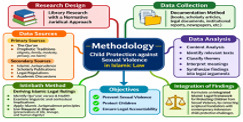
Objective: This study examines how Qur’anic principles and Prophetic traditions provide an Islamic legal foundation for protecting children from sexual violence, identifying preventive duties, prohibited conduct, and legal responses. Theoretical framework: The analysis draws on Islamic law, maqasid al-shariah, and the principles of hifz al-nafs (protection of life), hifz al-nasl (protection of lineage), and preservation of human dignity and honor. These principles frame child protection as a collective moral, familial, and legal responsibility. Literature review: Existing discussions of child sexual violence address its forms, causes, perpetrators, and consequences, including abuse within families and by outsiders. Islamic legal scholarship discusses sexual morality, the protection of honor, family responsibilities, and sanctions for prohibited sexual conduct. This study brings these strands together through a child-centered reading of scriptural sources. Methods: This research employs qualitative library research and a normative juridical approach. It examines relevant Qur’anic verses, authenticated Prophetic traditions, Islamic legal opinions, and literature. The materials are analyzed to identify principles of prevention, protection, and accountability. Results: The analysis indicates that Islamic sources establish a comprehensive basis for safeguarding children. Their teachings require care, education, protection from harm, respect for bodily dignity, and prevention of sexual exploitation. Sexual violence contradicts these obligations and warrants measures that protect victims and hold perpetrators accountable. The findings emphasize that prevention must involve families, communities, and institutions. Implications: The study supports integrating Islamic legal principles into child-protection education, family guidance, institutional safeguarding policies, and legal responses. Victim safety, dignity, and access to support should remain central, with particular relevance to contemporary Indonesian child-protection law and practice. Novelty: The study offers an integrated, child-centered framework connecting Qur’anic principles, Prophetic traditions, maqasid al-shariah, preventive responsibility, and legal accountability to address child sexual violence within Islamic law.
References
N. Linos, N. Slopen, S. V. Subramanian, L. Berkman, and I. Kawachi, “Influence of community social norms on spousal violence: A population-based multilevel study of Nigerian women,” Am. J. Public Health, vol. 103, no. 1, pp. 148–155, 2013, https://doi.org/10.2105/AJPH.2012.300829.
M. F. Mohammad, M. A. A. Samuri, and M. Quraishi, “An Islamic Jurisprudential Evaluation of the Offence of Physical Sexual Assault in Act 792,” Islamiyyat, vol. 47, no. 2, pp. 15–26, 2025, https://doi.org/10.17576/islamiyyat-2025-4702-02.
Rahmawati, Hartiwiningsih, M. Rustamaji, Sulistiyanta, and M. Abdillah, “Criminal Law Disparities against Perpetrators of Sexual Violence against Children Based on Islamic Law in Indonesia,” Al-Istinbath J. Huk. Islam, vol. 8, no. 2, pp. 667–696, 2023, https://doi.org/10.29240/jhi.v8i2.7379.
Suwarjin and A. A. Shairgojri, “The Sexual Violence Criminal Law (Tpks Law) in Preserving the Family in the Maqasid Sharia Perspective,” J. Ilm. Mizani, vol. 10, no. 1, pp. 55–68, 2023, https://doi.org/10.29300/mzn.v10i1.2943.
A. H. Usman, Azwar, and M. F. R. Shahabudin, “Pedophilia: A Quranic Wisdom to Parents from al-Ghazzālī (d. 1111) and ‘Ulwān (d. 1987) Remarks,” Int. J. Islam. Khazanah, vol. 14, no. 1, pp. 24–38, 2024, https://doi.org/10.15575/ijik.v14i1.30890.
R. Adawiyah, N. F. Habi, S. Nur, and D. Mukhlisa, “Power and Gender: Female Perpetrators of Child Sexual Abuse from Islamic Legal Perspective,” Jambe Law J., vol. 9, no. 1, pp. 369–393, 2026, https://doi.org/10.22437/9ke0x692.
R. Bukido, N. Isima, H. Kamma, M. M. Makka, and N. S. Kamaru, “Victim-Centered Legal Pluralism and Child Protection Governance in Addressing Sexual Violence in Aceh’s Pesantren,” Khazanah Huk., vol. 8, no. 1, pp. 197–226, 2026, https://doi.org/10.15575/kh.v8i1.47268.
M. Furlan, “Life After Child Forced Begging in Senegal’s daaras: The Trajectories of talibés After They Leave Exploitative marabouts,” J. Hum. Traffick., 2025, https://doi.org/10.1080/23322705.2025.2462456.
I. F. Ngazizah and A. Ismayawati, “Child Marriage in Indonesia: Sexual Violence or Not?,” Jure J. Huk. dan Syar’iah, vol. 14, no. 2, pp. 288–303, 2022, https://doi.org/10.18860/j-fsh.v14i2.17850.
M. Mundakir, “Political Dynamics Behind The Making Of Sharī’ah-Inspired Bylaws In Surakarta: The Case of Bylaw Number 3/2006 on the Eradication of Prostitution,” J. Indones. Islam, vol. 15, no. 1, p. 193, Jun. 2021, https://doi.org/10.15642/JIIS.2021.15.1.193-222.
A. Rosyada, D. Yusyanti, R. Trijono, Jalaluddin, and S. N. Shamsudin, “Protecting Children from Digital Sextortion: Integrating Indonesian Law and Maqasid al-Shariah,” Al-Istinbath J. Huk. Islam, vol. 11, no. 2, pp. 614–633, 2026, https://doi.org/10.29240/jhi.v11i2.14874.
Arisman, R. Apriandi, Yusrial, and M. Ashim, “The Legal Standing of Incestuous Fathers as Marriage Guardians: Islamic Law, Administrative Practice, and Social Impact in Indonesia,” Samarah, vol. 10, no. 3, pp. 1507–1530, 2026, https://doi.org/10.22373/b7bd0h27.
S. Juanda, B. A. Gani, and S. Rahmatillah, “The P2TP2A’s Effort to Cope with the Intensification of Sexual Abuse of Children in Perspective of the Islamic Family Law (A Case Study at the City of Banda Aceh),” El-Usrah, vol. 6, no. 1, pp. 115–130, 2023, https://doi.org/10.22373/ujhk.v6i1.11992.
Y. Roslaili, Suparwany, A. Manan, M. Ulfah, and F. P. Phonna, “Customary Justice and Child Sexual Abuse in Aceh: Legal Pluralism, Restorative Limits, and Child Protection Principles,” Justicia Islam., vol. 23, no. 1, pp. 61–84, 2026, https://doi.org/10.21154/justicia.v23i1.11867.
A. Mohd, N. A. K. N. Mahmod, A. A. Muhammad, Y. J. Amuda, and M. C. M. Salleh, “Child labor under Islamic law (The shari’ah): An overview,” Al-Shajarah, vol. 23, no. 2, pp. 295–314, 2018, https://www.scopus.com/pages/publications/85059675101?origin=resultslist
F. Dayan, M. M. Sheraz, M. R. Mahmood, A. K. Al-Mahmood, and S. Islam, “A medico-legal perspective on the termination of pregnancies resulting from wartime-rape,” Bangladesh J. Med. Sci., vol. 19, no. 3, pp. 372–385, 2020, https://doi.org/10.3329/bjms.v19i3.45852.
Y. Muthmainnah, Z. Baidhawy, Y. Razak, and I. Mundzir, “Zakat initiatives for supporting victims of violence against women and children in Indonesia,” Ijtihad J. Wacana Huk. Islam dan Kemanus., vol. 24, no. 2, pp. 331–357, 2024, https://doi.org/10.18326/IJTIHAD.V24I2.331-357.
A. S. Zia, “‘My Body, Allah’s Choice’: Islamic Laws and Sexual Autonomies in Pakistan,” Aust. J. Asian Law, vol. 23, no. 2, pp. 95–110, 2022, [Online]. Available: https://www.scopus.com/pages/publications/85177482852?origin=resultslist
Muzaiyanah, “Tinjauan MaqaSId Asy-SyarI’ah Terhadap Peraturan Daerah Provinsi Jawa Timur Nomor 16 Tahun 2012 Tentang Penyelenggaraan Perlindungan Perempuan Dan Anak Korban Kekerasan,” Al-Ahkam J. Ilmu Syari’ah dan Huk., vol. 7, no. 1, pp. 87–111, 2022, https://doi.org/10.22515/alahkam.v7i1.5252.
Z. Almira and Irwansyah, “Political Rights of Former Convicts Perpetrators of Sexual Violence Against Children: Positive Legal Perspective and Siyasah Fiqh,” Al Daulah, vol. 12, no. 1, pp. 18–31, 2023, https://doi.org/10.24252/ad.vi.37075.
S. Lees and K. Devries, “Local narratives of sexual and other violence against children and young people in Zanzibar,” Cult. Heal. Sex., vol. 20, no. 1, pp. 99–112, 2018, https://doi.org/10.1080/13691058.2017.1332390.
N. Ahmad, G. I. Lilienthal, and N. Zulkiffle, Protection of women and children during war. Nova Science Publishers, Inc., 2023. [Online]. Available: https://www.scopus.com/pages/publications/85180377803?origin=resultslist
N. Hussin and H. H. A. Tajuddin, “An Islamic Perspective on Preventing Sexual Abuse Against Children,” IIUM Law J., vol. 29, no. S1, pp. 153–176, 2021, https://doi.org/10.31436/iiumlj.v29iS1.640.
Fauziati, S. Abbas, S. Devy, M. Husnul, and Suarni, “The Ijtihad of Female Judges in Aceh’s Sharia Courts: Disparity in Sentencing for Child Sexual Abuse,” El-Usrah, vol. 8, no. 1, pp. 294–312, 2025, https://doi.org/10.22373/zr002d09.
Budiman, W. A. Anwar, and A. Rio Makkulau, “An Analysis of Fiqh Jinayah and Criminal Law on the Legal Protection for Children as Victims of Obscenity,” J. Al-dustur, vol. 5, no. 2, pp. 183–211, 2022, https://doi.org/10.30863/aldustur.v5i2.2632.
S. F. Owaidah, R. I. Alharaz, S. H. Aljubran, Z. Y. Almuhanna, and R. G. Menezes, “Factors affecting reporting of suspected child maltreatment in Saudi Arabia,” J. For ensic Leg. Med., vol. 89, 2022, https://doi.org/10.1016/j.jflm.2022.102371.
L. Chapuis, Advancing child protection in Jordan, Lebanon, occupied Palestinian territory and Syria. Taylor and Francis, 2014. https://doi.org/10.4324/9781315882116-14.
Qurratul-Ain-Munir-Minhas and S. M. Niazi, “Abortion and Rape Laws in Pakistan: A Sharī‘ah- Based Analysis,” Islam. Stud., vol. 59, no. 3, pp. 359–376, 2020, [Online]. Available: https://www.scopus.com/pages/publications/85150353880?origin=resultslist
L. Gurusi, M. S. Mansyah, K. Lee, Y. Purnamasari, and S. Alfajar, “Islamic Legal Perspective on Data of Child Victims of Sexual Violence: A Case Study of Indonesia’s Court,” Jure J. Huk. dan Syar’iah, vol. 16, no. 2, pp. 456–479, 2024, https://doi.org/10.18860/j-fsh.v16i2.28358.
F. Hayati, L. Fidiawati, Helnita, Afdal, and Helminsyah, “Sharia-based collaborative counseling model to prevent child sexual abuse and violence,” Multidiscip. Sci. J., vol. 7, no. 5, 2025, https://doi.org/10.31893/multiscience.2025236.
I. Musofiana, R. A. Pinandito, N. L. Izza, and A. K. Osman, “Digital Incest Narratives and Child Protection: Addressing Regulatory Gaps through Legal and Islamic Normative Reconstruction,” Juris J. Ilm. Syariah, vol. 25, no. 1, pp. 167–183, 2026, https://doi.org/10.31958/juris.v25i1.16555.
J. Guzder, Fourteen djinns migrate across the ocean. Springer US, 2007. https://doi.org/10.1007/978-0-387-69797-0_5.
M. Ali, “Child sexual abuse: can the doctrines of al-maqasid al-shariah and maslahah assist in challenging the honour ideology?,” Int. J. Hum. Rights, vol. 18, no. 4–5, pp. 508–526, 2014, https://doi.org/10.1080/13642987.2014.911478.
E. P. Handayani, Z. Arifin, Z. J. Fernando, Z. Bin Mohamad, and N. G. Bayhaqi, “Beyond Family Law: Reconstructing Family Justice through Women’s and Children’s Rights,” Jure J. Huk. dan Syar’iah, vol. 18, no. 2, pp. 352–380, Sep. 2026, https://doi.org/10.18860/j-fsh.v18i2.38190.
A. Z. Ezenwoko, M. O. Oche, A. Haruna, A. G. Bashar, and S. Muhammad, “Prevalence and Forms of Sexual Abuse among Female Hawkers in Sokoto State,” J. Community Med. Prim. Heal. Care, vol. 36, no. 1, pp. 67–79, 2024, https://doi.org/10.4314/jcmphc.v36i1.6.
M. Amberi, “Efforts to Prevent Child Marriage Based on Philosophy of Islamic Law and Indonesian Positive Law,” Samarah, vol. 7, no. 1, pp. 239–260, 2023, https://doi.org/10.22373/sjhk.v7i1.12404.
F. K. Fitriyah, W. Afridah, A. Sudaryanto, N. Bin Mamat, and L. Nurlaela, “Predicting Bullying Behavior from Victimization Experiences to Strengthen Prevention Management in Islamic Early Childhood Education,” Kharisma, vol. 5, no. 2, pp. 274–287, 2026, https://doi.org/10.59373/kharisma.v5i2.143.
E. P. Handayani, Z. Arifin, Z. J. Fernando, Z. Bin Mohamad, and N. G. Bayhaqi, “De Jure: Jurnal Hukum dan Syari’ah,” Jure J. Huk. dan Syar’iah, vol. 18, no. 2, pp. 352–380, 2026, https://doi.org/10.18860/j-fsh.v18i2.38190.
A. Mashdurohatun, Naimah, R. Rahmadi, Ismayana, and H. Suparjo, “Beyond Formal Legality: A Maqashid al-Shari‘ah Approach to Ethical Legitimacy in Electronic Consent across Notarial, Healthcare, and Child Protection Practices,” Al-Istinbath J. Huk. Islam, vol. 11, no. 1, pp. 411–435, 2026, https://doi.org/10.29240/jhi.v11i1.16236.
E. Käkelä, “The Three Planet Problem of Protecting Girls and Women from Female Genital Mutilation/Cutting in the UK,” Sociology, vol. 60, no. 4, pp. 807–824, 2026, https://doi.org/10.1177/00380385251386680.
R. A. Pinandito, Hartiwiningsih, and M. Rustamaji, “Child Protection from Cyber Violence: An Analysis of CRC General Comment No. 25 and Contemporary Islamic Ethical Perspectives in Indonesia and Malaysia,” MILRev Metro Islam. Law Rev., vol. 5, no. 1, pp. 427–457, 2026, https://doi.org/10.32332/milrev.v5i1.12762.
J. A. Kaluku, N. Aprilianda, P. Djatmika, A. Zakaria, and F. Gourari, “Juvenile Criminal Responsibility in Muslim-Majority States: Between Sharia, State Law, and Restorative Justice,” Jure J. Huk. dan Syar’iah, vol. 18, no. 1, pp. 191–210, 2026, https://doi.org/10.18860/j-fsh.v18i1.32848.
N. Irfan, M. Rosyid, and A. Imron, “Child Marriage and the Quest for Legal Protection: Integrating Islamic Family Law and Islamic Criminal Law,” Al-Ahwal, vol. 19, no. 1, pp. 33–52, 2026, https://doi.org/10.14421/ahwal.2025.19102.