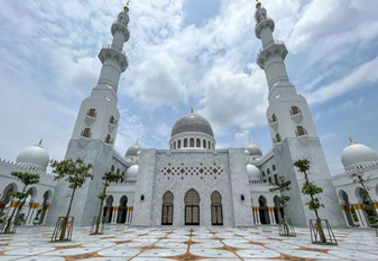
Halal Tourism as a Sharia-Based Economic System: Legal, Business, and Sustainability Dynamics at Sheikh Zayed Grand Mosque
DOI:
https://doi.org/10.61455/jeisr.v2i01.556Keywords:
halal tourism, Sharia economic system, islamic legal governance, sdgs, sheikh zayed mosqueAbstract
Objective: This study aims to examine halal tourism in Solo Raya as a Sharia-based economic system, focusing on the Sheikh Zayed Grand Mosque as a strategic hub for religious tourism. It specifically analyzes the legal, business, and sustainability dynamics shaping the development of halal tourism in the region. Theoretical framework: This research employs an integrated framework of Sharia economic systems, Islamic legal governance, and sustainable development, emphasizing the role of Islamic principles (maqāṣid al-sharīʿah) in guiding economic activities, ensuring compliance, and promoting socio-economic welfare. Literature review: Prior studies highlight halal tourism as a growing sector driven by halal certification, Sharia compliance, and religious destinations. However, gaps remain in the integration of legal frameworks, business practices, and sustainability, particularly in local contexts where regulatory support and public literacy are still limited. Method: This study uses a qualitative approach through in-depth interviews, field observations, and document analysis. Informants include business actors, visitors, local authorities, and stakeholders involved in halal tourism activities surrounding the Sheikh Zayed Grand Mosque. Results: The findings reveal that the mosque functions as a catalyst for a Sharia-based economic ecosystem, stimulating halal culinary industries, Islamic MSMEs, and faith-based tourism services. Nevertheless, critical challenges persist, including weak halal standardization, limited regulatory frameworks, and low public literacy regarding Sharia compliance and halal tourism practices. Implications: The study underscores the importance of strengthening Sharia economic governance through collaboration between government institutions, business actors, and halal certification bodies to ensure legal compliance, economic inclusivity, and sustainable development aligned with the SDGs. Novelty: This research contributes by conceptualizing halal tourism as an integrated Sharia-based economic system and highlighting the intersection of legal governance, business practices, and sustainability dynamics, with the Sheikh Zayed Grand Mosque serving as a central driver in a local Indonesian context.