Ethics and Philosophy of Science in Herbal Medicine Technology: Opportunities and Challenges for SDGs
DOI:
https://doi.org/10.61455/mrsdgs.v1i03.421Keywords:
islamic philosophy of science, herbal medicine technology, ethics in pharmaceutical development, sdgs, halal and thayyibAbstract
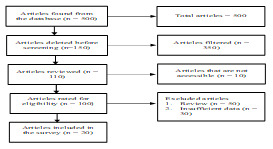
Objective: This study aims to examine the opportunities, challenges, and relevance of Islamic philosophy of science and ethics in the development of herbal-based pharmaceuticals that integrate halal and thayyib principles as spiritual and ethical foundations in addressing modern health needs and contributing to the Sustainable Development Goals (SDGs). Theoretical framework: The study adopts the philosophical approach of Islamic science and ethics as a moral and spiritual basis for developing herbal medicine technology, emphasizing principles such as justice (ʿadl), trust (amanah), and societal benefit (maslahah). Literature review: The study analyzes research from scientific databases, including Sinta, PubMed, and Google Scholar, focusing on herbal innovations, regulatory frameworks, and the integration of Islamic values in pharmaceutical development. Methods: A descriptive-analytical literature review was conducted, synthesizing information from scientific articles on technological advancements, regulatory challenges, and Islamic perspectives in herbal pharmacy. Results: Findings indicate that technological innovations, such as nanotechnology, significantly enhance the efficacy of active compounds in medicinal plants. Nevertheless, challenges remain, including the lack of standardized formulations, incomplete regulatory frameworks, and limited availability of internationally recognized halal certification. Implications: The study highlights the importance of collaboration among government, academia, and industry to establish a sustainable, Sharia-compliant herbal pharmaceutical ecosystem that supports ethical, effective, and culturally relevant healthcare. This approach also contributes to SDG 3 (Good Health and Well-Being), SDG 9 (Industry, Innovation, and Infrastructure), SDG 12 (Responsible Consumption and Production), and SDG 10 (Reduced Inequalities). Novelty: The originality of this research lies in its integrative framework, combining Islamic philosophy of science, ethics, and modern herbal pharmaceutical technology to provide a holistic, contextually grounded model for ethical innovation in healthcare.