Training and Staff Development as a Vital Means for Academic Productivity and Sustainable Development Goals Achievement in Nigerian Colleges of Education
DOI:
https://doi.org/10.61455/mrsdgs.v1i01.212Keywords:
academic productivity, staff development, sdgs, colleges of education, capacity buildingAbstract
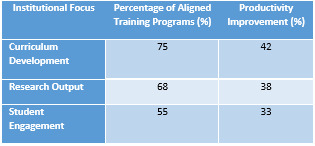
Objective: This study examines Training and Staff Development as a Vital Means for Academic Productivity and Sustainable Development Goals (SDGs) Achievement in Nigerian Colleges of Education. The primary objective is to analyze the role of professional development in enhancing academic outcomes and contributing to the attainment of SDG 4 (Quality Education) and SDG 8 (Decent Work and Economic Growth). Theoretical framework: Anchored in the Personnel Management (PM) Theory and Maslow’s Hierarchy of Needs, the study explores how structured training, capacity building, and institutional support influence lecturers’ performance, motivation, and research output. Literature review: A review of existing literature highlights the critical role of continuous professional development (CPD) in promoting knowledge acquisition, innovation, and sustainable educational practices. Prior studies emphasize that investing in human capital directly correlates with improved academic standards, retention rates, and institutional growth. Methods: Using a correlational research design, data were collected through structured questionnaires administered to 833 academic staff across 12 Colleges of Education in North-East Nigeria. The quantitative analysis revealed strong positive relationships between training access, leadership engagement, and academic productivity. Staff members who regularly engaged in CPD activities reported higher job satisfaction, greater research involvement, and improved student outcomes, barriers such as limited funding, inadequate ICT infrastructure, and insufficient policy implementation hindered the optimal impact of these programs. Results: The findings call for targeted, context-specific training models, periodic training needs assessments, and stronger leadership commitment to staff development. These measures are critical for fostering a competent academic workforce aligned with national development strategies and the United Nations’ 2030 Agenda. Implications: The study implies that strategic investment in staff training directly enhances academic productivity and supports SDG achievement, urging policymakers and educational leaders to prioritize sustainable development through regular capacity-building programs, adequate funding, and stronger institutional commitment to professional development. Novelty: The study’s novelty lies in linking training and development with SDG implementation within the under-researched context of Nigerian Colleges of Education. It provides practical insights into how human resource strategies can bridge performance gaps and accelerate sustainable educational reform.